Sprains and Strains Treatment in Anaheim, CA: Comprehensive Guide to Healing at Anaheim Medical Group
When it comes to sprains and strains treatment in Anaheim, CA, Anaheim Medical Group stands as a beacon of excellence in providing top-notch care. Whether you’re an athlete dealing with a sports injury or a resident who’s had an unfortunate accident, it’s crucial to get the right treatment to avoid long-term damage. Anaheim Medical Group urgent care is here to help you recover efficiently and safely. With experienced medical professionals and cutting-edge treatment methods, we make your well-being our top priority. Book an appointment easily through our online portal or by calling us directly at (714) 827-9797.
What Are Sprains and Strains?
Before diving into the treatment options, it’s important to understand the difference between a sprain and a strain:
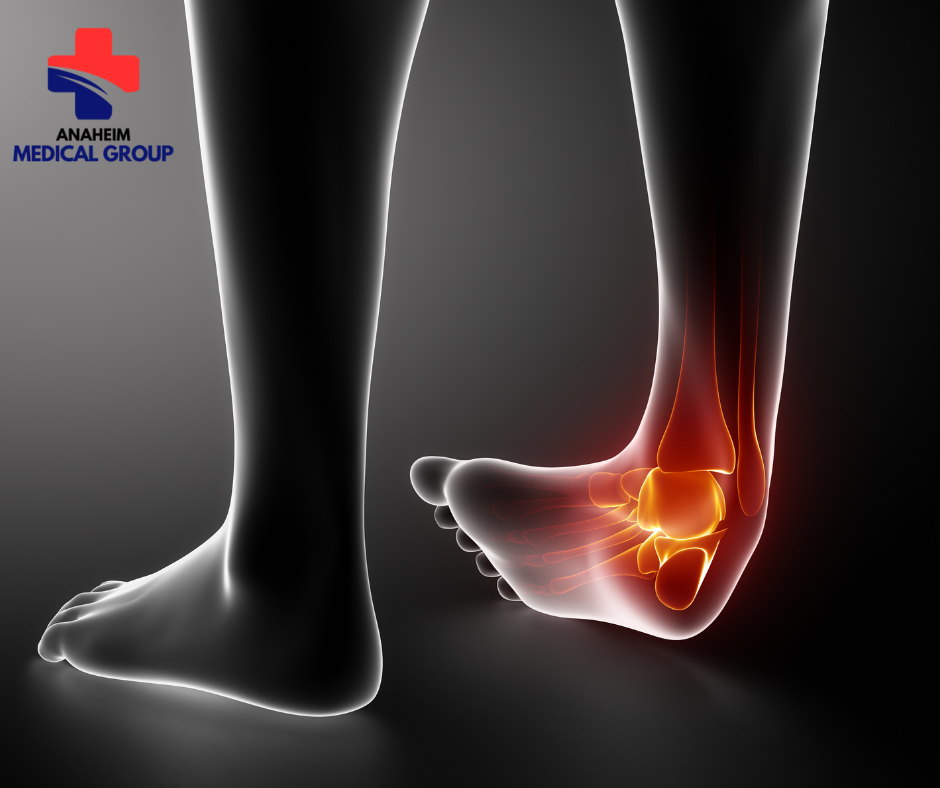
- Sprains occur when ligaments, which connect bones to each other, are stretched or torn. The most common location for sprains is the ankle, though they can happen in the wrist, knee, or other joints.
- Strains involve injury to muscles or the tendons that connect muscles to bones. Strains commonly occur in the back or hamstring.
While both injuries may seem similar at first glance, the treatment approach and healing process can vary significantly, making early diagnosis and medical attention essential.
Symptoms of Sprains and Strains
Recognizing the symptoms early can be key to minimizing damage. If you’re unsure whether you’ve sustained a sprain or strain, here are the common signs to watch for:
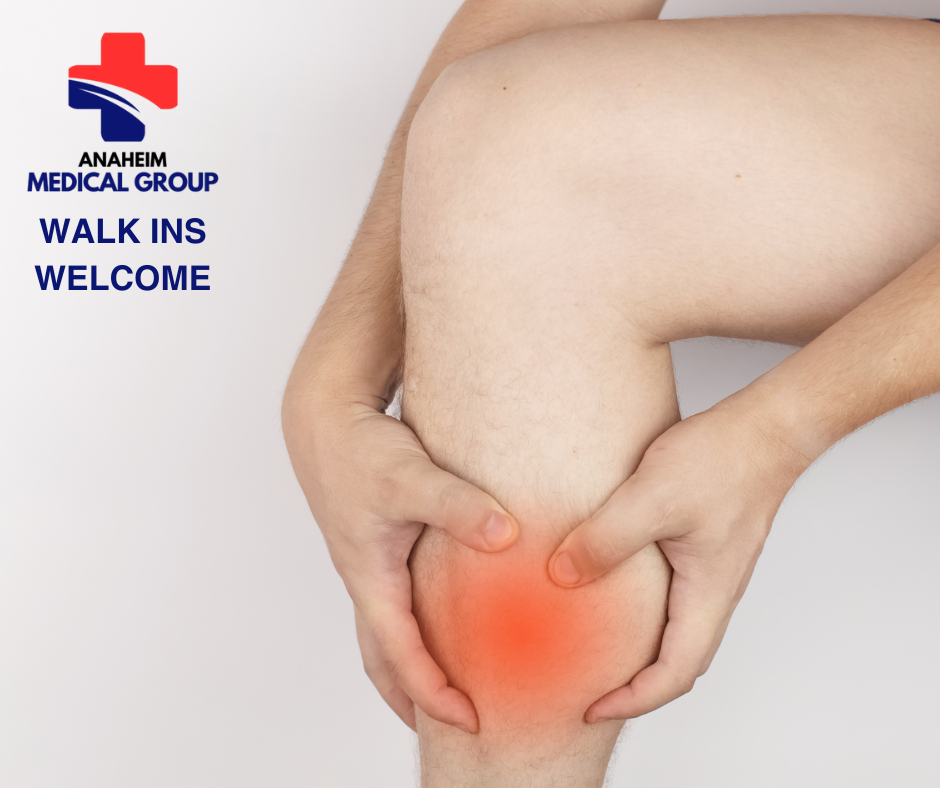
- Sprain Symptoms: Pain around the joint area
- Swelling and bruising
- Limited ability to move the joint
- A popping sensation at the time of the injury
- Strain Symptoms: Muscle spasms or weakness
- Swelling and cramping
- Pain that increases with movement
- Difficulty using the affected muscle or tendon
If you or a loved one experience any of these symptoms, it’s essential to seek professional medical attention. Anaheim Medical Group provides personalized assessments to determine the best course of action for your recovery.
Causes of Sprains and Strains
Understanding the causes behind these injuries can help you avoid them in the future and recognize when immediate medical attention is necessary. Common causes include:
- Overexertion during physical activity: Sudden, awkward movements can stretch or tear your muscles, tendons, or ligaments.
- Improper use of equipment: Incorrect form or inadequate footwear can increase the risk.
- Accidents or falls: Missteps, trips, or sudden jolts are a common cause, especially for sprains.
- Repetitive motion: Repeated activities such as lifting, running, or working can gradually strain the muscles or tendons.
Whatever the cause, seeking expert care can help ensure your injury heals properly. Anaheim Medical Group offers specialized treatment plans tailored to the unique causes and severity of each injury.
Diagnosis at Anaheim Medical Group
When you visit Anaheim Medical Group for a sprain or strain, our medical professionals will conduct a thorough examination, which may include:
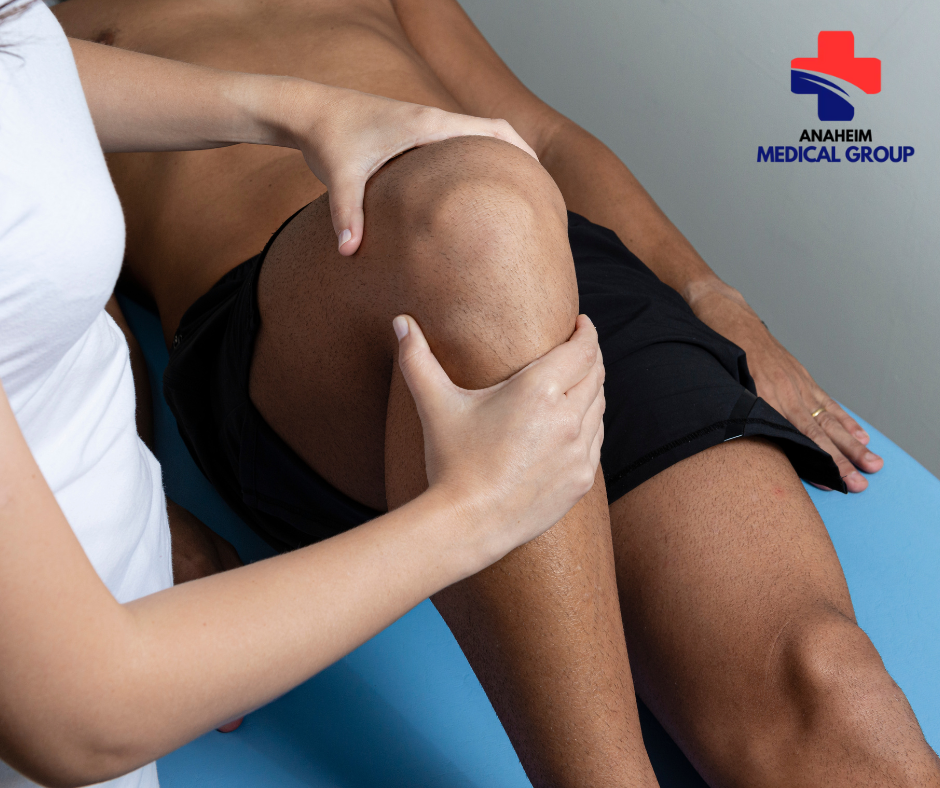
- Physical Examination: A hands-on assessment to identify the affected area, swelling, and range of motion.
- Imaging Tests: X-rays, MRIs, or ultrasounds may be used to assess the extent of the injury and rule out fractures or other complications.
- Detailed Medical History: Understanding how the injury occurred will help our doctors determine the most effective treatment plan.
With an accurate diagnosis, Anaheim Medical Group can create a targeted, effective recovery plan that gets you back to your daily activities as soon as possible.
Treatment Options for Sprains and Strains
At Anaheim Medical Group, we offer a variety of treatments to speed up the healing process and alleviate discomfort. Depending on the severity of your injury, our doctors may recommend the following:
1. RICE Method
For many minor sprains and strains, the RICE method is often recommended:
- Rest: Avoid putting weight on the injured area.
- Ice: Apply ice packs for 15–20 minutes every few hours to reduce swelling.
- Compression: Wrap the area in an elastic bandage to minimize swelling.
- Elevation: Keep the injured part raised above your heart to prevent fluid buildup.
2. Pain Management
If the pain persists, over-the-counter medications such as ibuprofen can help. In more severe cases, our doctors may prescribe stronger pain relief options to help you stay comfortable while recovering.
3. Physical Therapy
For moderate to severe sprains and strains, physical therapy is a crucial part of recovery. Our highly skilled therapists at Anaheim Medical Group will guide you through exercises designed to:
- Restore mobility
- Strengthen the muscles around the injured area
- Prevent future injuries
Therapy sessions are tailored to each patient, ensuring the quickest, most effective recovery possible.
4. Immobilization
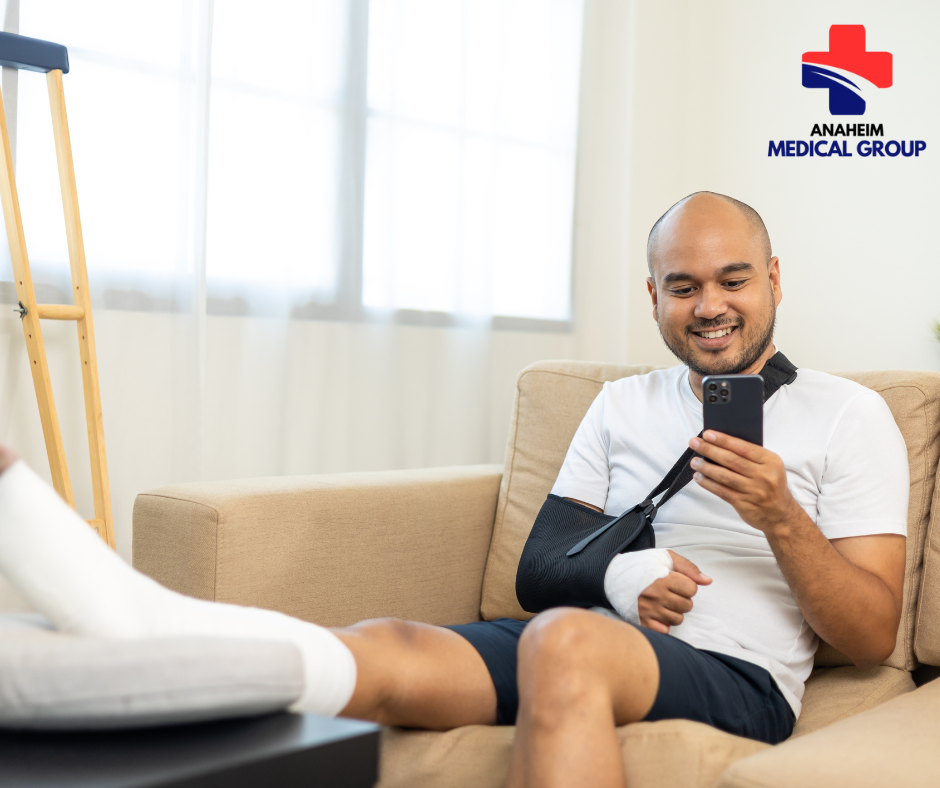
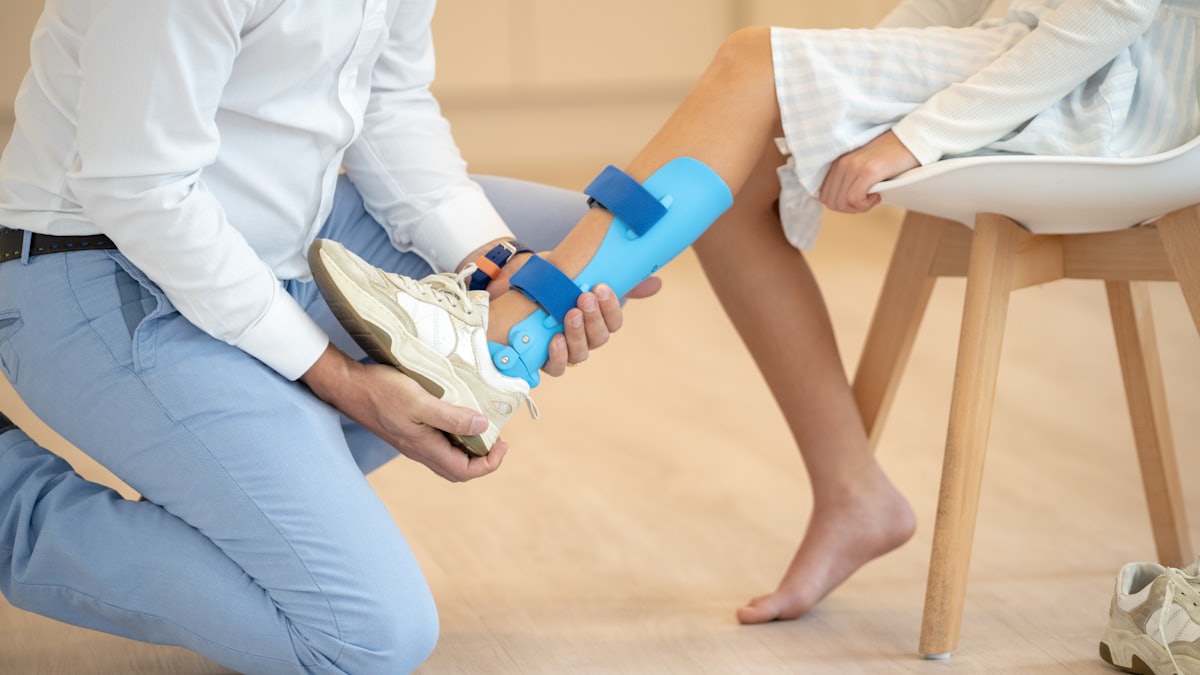
In some cases, our doctors may recommend immobilization using braces, slings, or splints to ensure the injured area doesn’t worsen. This is particularly important for severe sprains or strains, where the ligaments or muscles need time to heal without being overstressed.
5. Surgery
Although surgery is rare, it may be necessary for the most severe cases where ligaments or tendons are completely torn. Our experienced surgeons at Anaheim Medical Group use minimally invasive techniques to repair the damage and restore function.
Recovery Time: What to Expect
Recovery time for sprains and strains can vary based on the severity of the injury, the treatment used, and the individual’s overall health. Typically:
- Mild sprains and strains: Recovery can take anywhere from a few days to two weeks.
- Moderate injuries: These may require several weeks of physical therapy, with full recovery taking up to six weeks.
- Severe sprains and strains: These can take months to heal and may involve surgery, followed by extensive rehabilitation.
At Anaheim Medical Group, our goal is to ensure that each patient gets back to their daily routine as quickly and safely as possible.
Case Studies: Real-Life Recovery Stories
Case Study 1: Ankle Sprain from a Basketball Game
Patient: John, a 28-year-old recreational basketball player, came to Anaheim Medical Group after twisting his ankle during a game.
Symptoms: He experienced immediate swelling and difficulty walking. He also reported hearing a “pop” sound at the time of the injury.
Treatment: After a physical examination and X-ray, John was diagnosed with a Grade II ankle sprain. His treatment plan included a combination of rest, ice, and a compression wrap, followed by six weeks of physical therapy.
Outcome: John’s ankle healed fully, and he was able to return to basketball with a new focus on stretching and strengthening exercises to prevent future injuries.
Case Study 2: Back Strain from Heavy Lifting
Patient: Susan, a 45-year-old office worker, came to Anaheim Medical Group after straining her lower back while lifting a heavy box at work.
Symptoms: Susan reported stiffness, pain, and muscle spasms in her lower back.
Treatment: After a physical exam, our team recommended a treatment plan of muscle relaxants, physical therapy, and modified work duties to allow her back to heal without further strain.
Outcome: Within four weeks, Susan’s pain had subsided, and she was able to return to her full workload without discomfort. The physical therapy also improved her posture, reducing her risk of future back strains.
Why Choose Anaheim Medical Group for Sprains and Strains Treatment in Anaheim, CA?
Anaheim Medical Group is known for its personalized, patient-centered care. Our commitment to each patient’s recovery journey is reflected in our comprehensive approach to treatment, which includes:
- Expert Medical Team: Our doctors, nurses, and physical therapists specialize in orthopedic and musculoskeletal injuries, ensuring you get the best care possible.
- State-of-the-Art Facilities: From imaging technologies to physical therapy equipment, our clinic is equipped with the latest tools to support your recovery.
- Personalized Treatment Plans: Every patient is unique, and we tailor our treatment plans to meet your specific needs, lifestyle, and injury.
- Convenient Appointments: Booking an appointment is easy and accessible. You can schedule online or call us at (714) 827-9797 to speak with our friendly staff.
Prevention Tips for Sprains and Strains
While accidents happen, there are steps you can take to minimize your risk of experiencing a sprain or strain:
- Warm-Up and Stretch: Before engaging in physical activity, ensure you properly warm up your muscles and stretch to avoid overexertion.
- Wear Proper Footwear: Wearing shoes that support your feet can prevent ankle sprains and reduce the risk of injury during physical activity.
- Maintain a Healthy Weight: Excess weight can put additional strain on muscles and joints, making injuries more likely.
- Use Correct Lifting Techniques: Always bend at the knees when lifting heavy objects, and avoid twisting your body while lifting.
- Strengthen Muscles: Regular strength training can help stabilize your joints and prevent injuries.
Frequently Asked Questions (FAQs)
1. How Long Does It Take to Recover from a Sprain or Strain?
Recovery time for a sprain or strain largely depends on the severity of the injury and how promptly treatment begins. In mild cases, where the damage is minimal, recovery can take anywhere from one to two weeks. These minor injuries typically involve a stretched or slightly torn ligament (sprain) or muscle (strain), and with the proper care, they heal quickly.
For moderate sprains and strains, recovery may take several weeks. These injuries often involve partial tears in the ligaments or muscles, requiring more time for the body to repair itself. During this time, rest, physical therapy, and possibly bracing or casting are necessary to ensure the injury heals properly.
Severe sprains and strains, such as a complete tear of a ligament or muscle, can take several months to fully heal. In some cases, surgery may be required to repair the damage, and rehabilitation through physical therapy is often needed to restore strength and mobility. It’s important to note that even after healing, some injuries may still cause occasional discomfort or weakness.
Ultimately, the length of recovery depends on factors such as the individual’s overall health, age, activity level, and how closely they follow their doctor’s recommendations for treatment.
2. When Should I See a Doctor for a Sprain or Strain?
Not all sprains and strains require immediate medical attention, but there are certain signs that indicate the need for professional care. You should see a doctor if:
- The pain is severe or persistent.
- You are unable to move or bear weight on the injured area.
- There is significant swelling, bruising, or deformity in the affected area.
- You hear a popping sound at the time of injury, which could indicate a ligament tear.
- The injury does not improve within a few days despite home care.
If any of these symptoms occur, it’s essential to visit a healthcare professional, like the experts at Anaheim Medical Group, for a proper diagnosis and treatment plan. Early intervention can help prevent complications and speed up the recovery process.
3. Can I Treat a Sprain or Strain at Home?
For mild sprains and strains, home treatment is often sufficient, and the RICE method (Rest, Ice, Compression, and Elevation) is the most commonly recommended approach:
- Rest: Avoid putting weight or stress on the injured area for at least 48 hours.
- Ice: Apply ice packs to the injury for 15-20 minutes every couple of hours to reduce swelling and pain.
- Compression: Use an elastic bandage to wrap the injury, providing support and reducing swelling.
- Elevation: Keep the injured limb elevated above heart level to minimize swelling.
Over-the-counter pain relievers, such as ibuprofen or acetaminophen, can also help alleviate discomfort and reduce inflammation.
However, even with mild injuries, it’s advisable to consult with a healthcare provider to ensure the injury isn’t more severe than it appears. Proper diagnosis can prevent further damage and ensure a smoother recovery. At Anaheim Medical Group, our doctors will assess the injury and provide tailored advice to help you heal as quickly and effectively as possible.
4. Does Anaheim Medical Group Accept Insurance for Sprain and Strain Treatments?
Yes, Anaheim Medical Group accepts a wide range of insurance plans for sprain and strain treatments, making it easier for patients to access quality care. We work with many insurance providers to ensure that our patients receive the necessary treatment without the burden of excessive out-of-pocket expenses.
To verify your specific insurance coverage, we recommend contacting our office directly at (714) 827-9797. Our team will help you understand what your plan covers, including any copays, deductibles, or potential out-of-pocket costs for treatment. If you don’t have insurance or are unsure about your coverage, we also offer flexible payment options to accommodate all patients.
5. How Can Physical Therapy Help with Recovery?
Physical therapy plays a vital role in the recovery process from sprains and strains, particularly for moderate to severe injuries. After the initial rest and healing phase, physical therapy focuses on restoring strength, mobility, and function to the injured area. Some of the key benefits of physical therapy include:
- Strengthening Muscles and Ligaments: Exercises designed to gradually rebuild strength in the affected area, helping prevent future injuries.
- Improving Flexibility and Range of Motion: Therapists use stretches and movement techniques to restore full mobility in the injured joint or muscle.
- Reducing Pain and Stiffness: Therapists use manual therapy, heat and cold therapy, and other modalities to alleviate pain and minimize stiffness.
- Promoting Long-Term Joint and Muscle Health: Physical therapy helps ensure that the injured area heals properly and remains strong, reducing the likelihood of chronic issues.
At Anaheim Medical Group, our physical therapists work closely with patients to develop personalized rehabilitation plans. These plans not only address the immediate injury but also focus on long-term joint and muscle health, helping patients regain full functionality and prevent re-injury.
6. Can Sprains and Strains Become Chronic Issues?
Yes, if not properly treated, sprains and strains can lead to chronic problems. Without appropriate care, the injured ligaments or muscles may not heal correctly, resulting in ongoing pain, weakness, or instability in the affected area. This can significantly impact daily activities and athletic performance, leading to repeated injuries over time.
Chronic sprains and strains are more common in individuals who return to physical activity too soon or do not follow through with rehabilitation exercises. In these cases, the muscles or ligaments may remain weak and susceptible to re-injury. For example, untreated ankle sprains can lead to chronic ankle instability, while neglected muscle strains can result in ongoing muscle weakness and discomfort.
To avoid long-term complications, it’s essential to seek timely treatment and follow your healthcare provider’s recommendations for recovery. This includes attending physical therapy sessions, resting the injured area, and gradually returning to activity as guided by your doctor.
At Anaheim Medical Group, we emphasize the importance of proper treatment and rehabilitation to ensure a full recovery and prevent sprains and strains from becoming chronic issues.
Conclusion: Anaheim Medical Group Is Here to Help
Sprains and strains are common, but they don’t have to disrupt your life for long. With the right care and treatment, you can make a full recovery and even strengthen your body to prevent future injuries. Anaheim Medical Group is dedicated to providing the best care for sprains and strains treatment in Anaheim, CA. Book an appointment online today or call us directly at (714) 827-9797 to start your journey toward recovery. Our expert team is here to help you get back to doing what you love, pain-free.
Suggested Posts
Cold, Cough and Flu Infections Treatment in Anaheim
Trusted Cancer Treatment in Anaheim
Sinus Infections in Anaheim
Visit Aesthetics Universe for top-quality Botox and Dermal Fillers treatments in Anaheim! At our state-of-the-art center, we offer a range of cosmetic solutions to help you achieve a youthful, refreshed look. Whether you’re looking to reduce wrinkles, add volume to your face, or enhance your overall appearance, our experienced team ensures personalized care and stunning results. With our same center offering the latest in skincare and cosmetic treatments, you can trust Aesthetics Universe to provide safe, effective, and natural-looking results. Book your consultation today and let us help you look and feel your best!