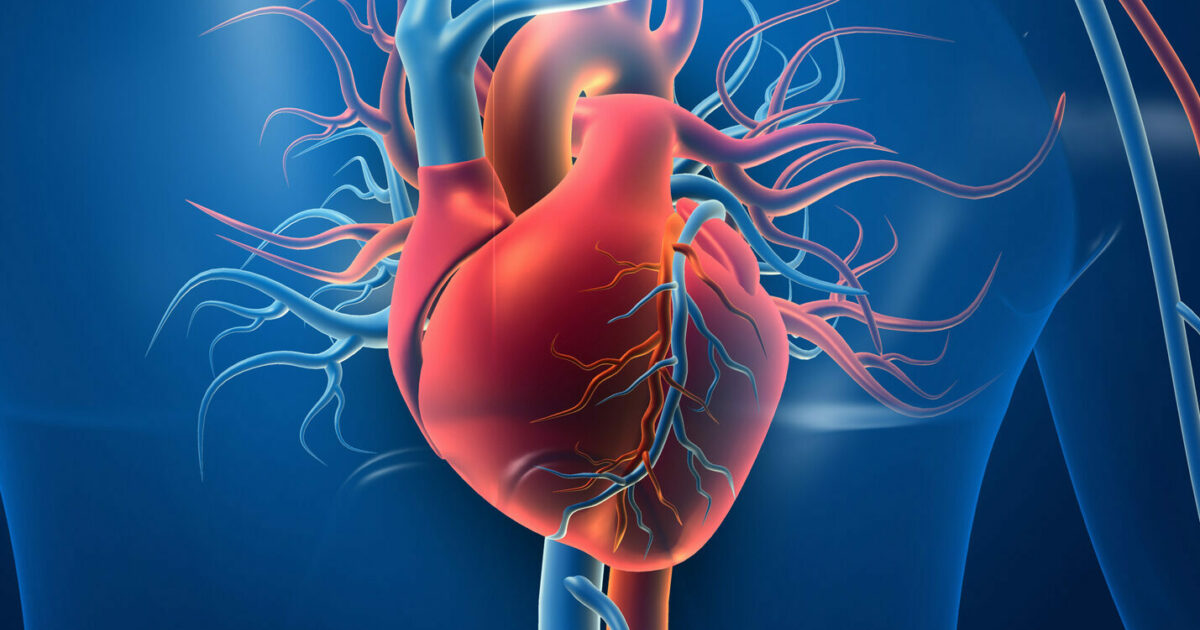
Heart Disease: A Leading Cause of Death in Orange County
Heart disease remains a significant health issue in the United States, and its impact is particularly pronounced in densely populated regions like Orange County, California. As one of the leading causes of death in the county, heart disease demands attention from healthcare providers, public health officials, and residents alike. This comprehensive article delves into the various aspects of heart disease, its prevalence in Orange County, and the critical role of medical facilities like Anaheim Medical Group in combating this life-threatening condition.
Understanding Heart Disease
Heart disease, also known as cardiovascular disease, encompasses a range of conditions that affect the heart’s ability to function properly. These conditions include coronary artery disease, heart failure, arrhythmias, and congenital heart defects, among others. The most common type, coronary artery disease, occurs when the blood vessels supplying blood to the heart become narrowed or blocked, leading to chest pain, heart attacks, and potentially fatal outcomes.
1. Types of Heart Disease
Heart disease is not a single condition but a group of related issues. Each type of heart disease affects the heart in different ways:
- Coronary Artery Disease (CAD): This is the most prevalent form of heart disease and occurs when the arteries that supply blood to the heart muscle become narrowed or blocked due to plaque buildup, known as atherosclerosis.
- Heart Failure: Also known as congestive heart failure, this condition occurs when the heart is unable to pump blood efficiently, leading to fluid buildup in the lungs, abdomen, and extremities.
- Arrhythmias: These are irregular heartbeats that can range from harmless to life-threatening. Common types include atrial fibrillation, tachycardia, and bradycardia.
- Heart Valve Disease: This condition occurs when one or more of the heart’s valves do not function properly, which can disrupt blood flow and lead to heart failure.
- Congenital Heart Disease: These are structural heart defects present at birth, which can range from minor to severe and may require surgical intervention.
- Cardiomyopathy: A disease of the heart muscle that makes it harder for the heart to pump blood to the rest of the body. It can lead to heart failure.
2. Risk Factors for Heart Disease
Several risk factors contribute to the development of heart disease. Some of these factors are modifiable, while others are not. Understanding these risks is crucial in preventing and managing the disease:
- Non-modifiable Risk Factors: Age: The risk of heart disease increases with age, particularly after age 55 for women and age 45 for men.
- Gender: Men are generally at a higher risk of developing heart disease at an earlier age than women. However, after menopause, women’s risk increases.
- Family History: A family history of heart disease can increase your risk, particularly if a close relative developed heart disease at an early age.
- Ethnicity: Certain ethnic groups, including African Americans, Hispanics, and South Asians, have a higher risk of heart disease.
- Modifiable Risk Factors: High Blood Pressure: Hypertension is a major risk factor for heart disease as it can damage arteries over time, leading to plaque buildup.
- High Cholesterol: Elevated levels of LDL cholesterol can contribute to the formation of plaques in the arteries, increasing the risk of coronary artery disease.
- Diabetes: Diabetes, particularly type 2, significantly increases the risk of heart disease due to the damage it causes to blood vessels.
- Obesity: Excess body weight, particularly around the abdomen, is associated with increased risk factors like high blood pressure, high cholesterol, and diabetes.
- Smoking: Tobacco use is a significant risk factor, as it damages the lining of the arteries and contributes to plaque buildup.
- Sedentary Lifestyle: Lack of physical activity can lead to obesity, high blood pressure, and high cholesterol, all of which are risk factors for heart disease.
- Poor Diet: A diet high in saturated fats, trans fats, and cholesterol can increase the risk of developing heart disease.
- Excessive Alcohol Consumption: Drinking too much alcohol can raise blood pressure and contribute to heart failure.
3. Symptoms of Heart Disease
Heart disease symptoms can vary depending on the specific condition but often include:
- Chest Pain or Discomfort: This is the most common symptom of coronary artery disease and may feel like pressure, squeezing, fullness, or pain in the chest.
- Shortness of Breath: Difficulty breathing can occur if the heart cannot pump enough blood to meet the body’s needs.
- Palpitations: This sensation of a fast or irregular heartbeat can be a sign of arrhythmias.
- Fatigue: Persistent tiredness, particularly during physical activity, may indicate heart failure or other heart-related issues.
- Swelling: Edema, or swelling in the legs, ankles, or abdomen, can be a sign of heart failure.
- Dizziness or Fainting: These symptoms can occur if the heart is not pumping blood effectively, leading to reduced blood flow to the brain.
Recognizing these symptoms early and seeking medical attention is crucial in preventing serious complications or death from heart disease.
Heart Disease in Orange County
Orange County, home to over 3 million residents, reflects the broader national trend where heart disease is a leading cause of death. The combination of urbanization, lifestyle factors, and a growing population has contributed to the prevalence of heart disease in this region.
1. Prevalence of Heart Disease in Orange County
Heart disease affects thousands of Orange County residents each year, with coronary artery disease being the most common type. The high prevalence can be attributed to a combination of risk factors prevalent in the county’s diverse population, including high rates of obesity, diabetes, and hypertension.
According to recent data from the Orange County Health Care Agency, heart disease is the leading cause of death, accounting for nearly one-third of all deaths in the county. The burden of heart disease is particularly significant among older adults, though it increasingly affects younger populations due to lifestyle changes.
2. Demographic Disparities in Heart Disease
While heart disease affects all populations, certain demographic groups in Orange County are disproportionately impacted. For instance, Hispanic and African American communities experience higher rates of risk factors such as diabetes and hypertension, which contribute to an increased incidence of heart disease.
Socioeconomic factors also play a role, as lower-income communities often have limited access to healthcare, healthy food options, and opportunities for physical activity. These disparities highlight the need for targeted public health interventions and accessible healthcare services to address the unequal burden of heart disease in Orange County.
3. Impact of Urbanization and Lifestyle on Heart Disease
The rapid urbanization of Orange County has brought about lifestyle changes that contribute to the rising rates of heart disease. Increased reliance on cars, fast food consumption, and sedentary office jobs have all led to higher levels of obesity and associated risk factors.
Moreover, the fast-paced lifestyle in urban areas often leads to increased stress, poor diet, and lack of exercise, all of which are significant contributors to heart disease. Addressing these lifestyle factors through public health initiatives and community engagement is essential in reducing the prevalence of heart disease in Orange County.
Anaheim Medical Group: A Vital Resource in the Fight Against Heart Disease
In the battle against heart disease in Orange County, healthcare providers like Anaheim Medical Group play a crucial role. Located in the heart of Anaheim, this medical group offers comprehensive cardiovascular care, including prevention, diagnosis, and treatment of heart disease.
1. Comprehensive Cardiovascular Services
Anaheim Medical Group provides a wide range of cardiovascular services designed to meet the needs of patients at all stages of heart disease. Their services include:
- Preventive Care: Emphasizing lifestyle changes, regular screenings, and early intervention to reduce the risk of heart disease.
- Diagnostic Services: Offering advanced diagnostic tools such as electrocardiograms (EKG), echocardiograms, stress tests, and cardiac imaging to accurately diagnose heart conditions.
- Treatment and Management: Providing individualized treatment plans that may include medication, lifestyle changes, and, when necessary, surgical interventions.
- Rehabilitation: Offering cardiac rehabilitation programs to help patients recover and regain strength after a heart attack or surgery.
2. Emphasis on Patient Education and Prevention
Anaheim Medical Group places a strong emphasis on patient education, recognizing that informed patients are more likely to engage in preventive measures and adhere to treatment plans. The group’s healthcare providers work closely with patients to educate them on the importance of managing risk factors, recognizing symptoms early, and making heart-healthy lifestyle choices.
Preventive services offered by Anaheim Medical Group include regular health check-ups, cholesterol and blood pressure monitoring, diabetes management, and dietary counseling. These services are vital in identifying and addressing risk factors before they lead to more serious heart conditions.
3. Access to Advanced Medical Technology
Anaheim Medical Group is equipped with state-of-the-art medical technology to ensure accurate diagnosis and effective treatment of heart disease. Advanced tools such as 3D imaging and minimally invasive surgical techniques allow for better patient outcomes and shorter recovery times.
Moreover, the group’s commitment to staying at the forefront of medical advancements ensures that patients receive the most up-to-date and effective care available. This includes access to the latest medications, procedures, and therapies for heart disease.
4. Community Engagement and Public Health Initiatives
Recognizing the importance of community engagement in the fight against heart disease, Anaheim Medical Group actively participates in public health initiatives aimed at raising awareness and promoting heart health. This includes hosting community events, offering free health screenings, and providing educational resources to the public.
These efforts are particularly important in reaching underserved populations in Orange County, who may be at higher risk of heart disease due to socioeconomic factors. By working with local organizations and public health agencies, Anaheim Medical Group helps to ensure that heart health resources are accessible to all residents of Orange County.
5. Personalized Patient Care
One of the key strengths of Anaheim Medical Group is its personalized approach to patient care. Recognizing that each patient is unique, the group’s healthcare providers tailor treatment plans to meet the individual needs of each patient. This includes taking into account factors such as age, family history, lifestyle, and personal preferences.
This personalized approach not only improves patient outcomes but also enhances the overall patient experience, making it easier for individuals to manage their heart disease and maintain a high quality of life.
Preventing Heart Disease: What You Can Do
While heart disease is a serious and often life-threatening condition, it is also largely preventable. By adopting a heart-healthy lifestyle and managing risk factors, you can significantly reduce your risk of developing heart disease. Here are some key steps you can take:
1. Adopt a Heart-Healthy Diet
A balanced diet is crucial in preventing heart disease. Focus on eating a variety of fruits, vegetables, whole grains, lean proteins, and healthy fats. Limit your intake of saturated fats, trans fats, sodium, and added sugars, which can contribute to high cholesterol and blood pressure.
Incorporating foods rich in omega-3 fatty acids, such as fish, nuts, and seeds, can help protect your heart. Additionally, reducing your intake of processed foods and eating more plant-based meals can further reduce your risk.
2. Stay Physically Active
Regular physical activity is essential for maintaining heart health. Aim for at least 150 minutes of moderate-intensity exercise, such as brisk walking, or 75 minutes of vigorous-intensity exercise, such as running, each week. Incorporating strength training exercises at least two days a week can also benefit your heart.
Exercise helps to control weight, lower blood pressure, reduce cholesterol levels, and improve overall cardiovascular fitness. Even small changes, such as taking the stairs instead of the elevator or walking instead of driving for short trips, can make a difference.
3. Quit Smoking and Limit Alcohol
Smoking is one of the most significant risk factors for heart disease, as it damages the arteries and increases the risk of plaque buildup. Quitting smoking can significantly reduce your risk of heart disease, even if you have smoked for many years.
Limiting alcohol consumption is also important. Excessive drinking can raise blood pressure and contribute to heart failure. If you choose to drink, do so in moderation—up to one drink per day for women and up to two drinks per day for men.
4. Manage Stress
Chronic stress can contribute to heart disease by raising blood pressure and leading to unhealthy coping mechanisms, such as overeating or smoking. Finding healthy ways to manage stress, such as through exercise, meditation, or hobbies, can protect your heart.
Additionally, ensuring you get enough sleep each night is crucial for heart health. Aim for 7-8 hours of sleep per night to help your body recover and reduce stress.
5. Regular Health Screenings
Regular health screenings are essential in detecting risk factors for heart disease early on. Monitoring your blood pressure, cholesterol levels, and blood sugar can help you identify and manage these risks before they lead to more serious conditions.
Anaheim Medical Group offers comprehensive screening services that can help you stay on top of your heart health. By working with your healthcare provider, you can develop a personalized plan to manage any risk factors and prevent heart disease.
6. Maintain a Healthy Weight
Being overweight or obese increases your risk of developing heart disease due to its impact on blood pressure, cholesterol, and diabetes. Achieving and maintaining a healthy weight through a balanced diet and regular exercise can significantly reduce your risk.
Your healthcare provider can help you set realistic weight loss goals and provide guidance on nutrition and exercise to help you achieve them.
Conclusion
Heart disease continues to be a leading cause of death in Orange County, affecting thousands of residents each year. However, with proper prevention, early detection, and effective management, the impact of heart disease can be significantly reduced.
Anaheim Medical Group stands at the forefront of the fight against heart disease in Orange County, offering comprehensive cardiovascular care, advanced medical technology, and a personalized approach to patient care. By taking proactive steps to manage risk factors and maintain a heart-healthy lifestyle, you can protect yourself and contribute to the overall heart health of the community.
Whether you are at risk for heart disease or seeking to maintain your heart health, Anaheim Medical Group is a trusted partner in your healthcare journey. Together, we can work to reduce the burden of heart disease in Orange County and ensure a healthier future for all residents.
We’d like to give a big shoutout to Cal Vac Environmental in Orange County! Specializing in lift station cleaning, this company is known for its exceptional services and dedication to quality. Whether you’re dealing with routine maintenance or an urgent need, Cal Vac Environmental’s team is reliable, professional, and always ready to ensure your lift stations are operating at their best. For those in Orange County and beyond, if you’re looking for top-tier service and a company you can trust, Cal Vac Environmental is the go-to choice. Great company, great services—thank you for all you do!